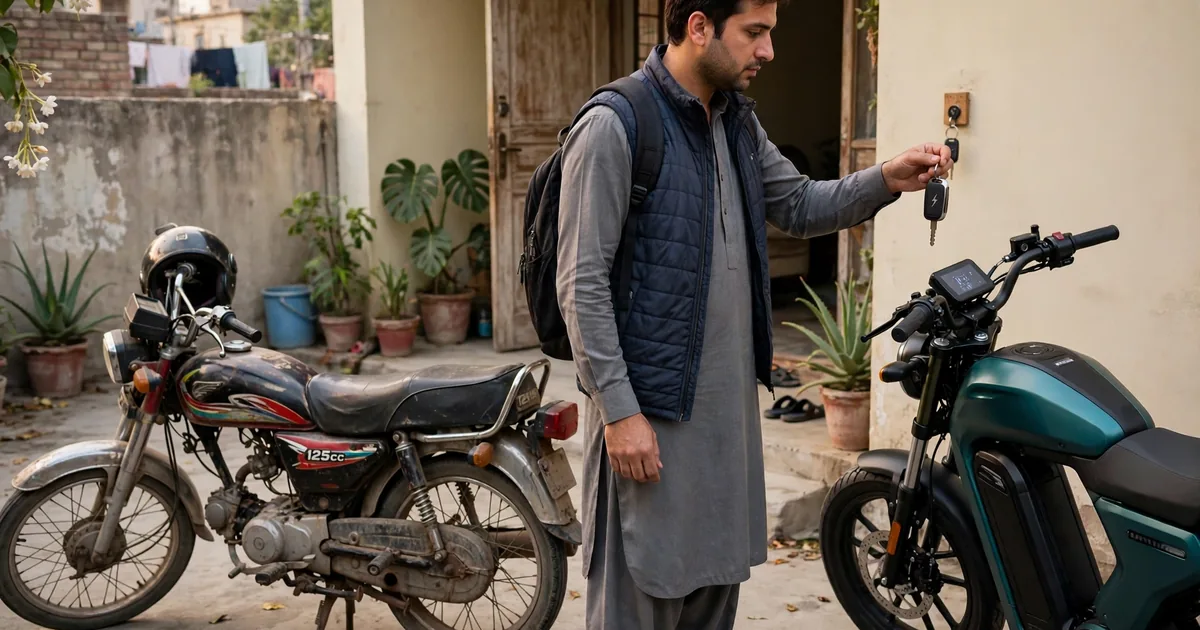
Switching to an electric bike is easy to decide on a spreadsheet — the fuel saving does that work for you — but living with the change is a set of small daily adjustments nobody warns you about. The petrol pump disappears from your week and a wall socket takes its place. The engine’s noise and vibration vanish, and so does the two-minute top-up that rescued your unplanned trips. This guide walks through what genuinely changes day to day in the first month, so new owners — including the many students and teachers arriving through government schemes — settle in quickly instead of learning everything the hard way.
Week One: The Charging Habit Replaces the Petrol Pump
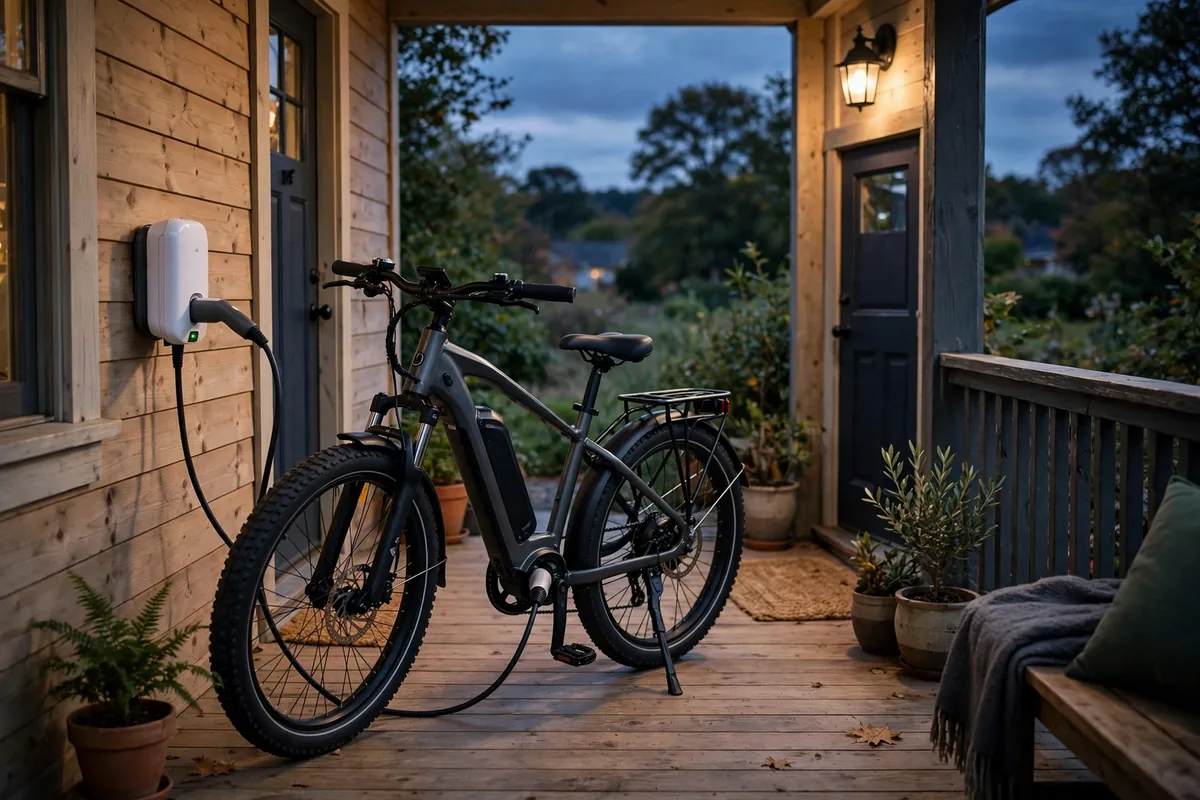
The biggest change is a routine, not a technology. Petrol riders refuel reactively — the reserve light blinks, they stop at a pump. Electric riders charge proactively: plug in when you park at home, unplug when you leave. Within a week this becomes as automatic as charging your phone, and most owners say they prefer it — the bike starts every morning “full”.
Two beginner mistakes to skip: first, do not run the battery to empty “to see the real range” in your first days; learn your range from partial trips with a safety margin. Second, set your charging point up properly once — a sound socket, the charger off the floor, cable routed so nobody trips — instead of improvising nightly. If you are still choosing a scheme route, the Phase 2 page shows what the newest applicants are being offered while you plan the switch.
Switching to an Electric Bike: How the Ride Feels Different
- Silence: at walking pace your bike is nearly silent. Pedestrians and cyclists may not hear you coming — ride defensively in bazaars and around schools, and use the horn earlier than feels necessary.
- Instant pull: electric motors deliver their push immediately. The first days, open the throttle gently at junctions until your hand recalibrates; passengers notice the smoothness quickly.
- No gears, no clutch on most commuter models: crawling traffic becomes a one-hand, low-stress affair, which is where city riders feel the upgrade most.
- Weight low down: the battery sits low, so the bike feels planted in corners but heavier to drag backwards into a tight parking spot. Practise your parking angle at home once.
Trip Planning: The Mental Shift
Petrol thinking asks “where is a pump?”; electric thinking asks “how far is the whole day?” You will start adding up the return trip plus the evening errand before leaving, the way phone users glance at battery percentage. A simple rule keeps life stress-free: plan to use at most about 70–80 percent of your honest range on a normal day, keeping the rest as your reserve. Spontaneous long detours are the one real loss versus petrol — and the practical answers are a midday top-up at a friendly stop, keeping the charger with you on long days, or simply knowing which days are “petrol friend” days if your household also has a conventional bike.
| Old petrol habit | New electric habit |
|---|---|
| Refuel when the light blinks | Charge every night, top up at midday if the day is long |
| Any trip, any time | Check the day’s total distance against your range first |
| Monthly oil and tuning visits | Weekly tyre, brake and connector glance at home |
| Fuel budget counted at the pump | Charging cost appears inside the electricity bill |
| Engine sound tells you the bike’s mood | Range display and battery behaviour are your gauges |
Energy planners expect this planning habit to get easier as public charging grows; the direction of national EV policy is tracked by authorities such as NEPRA and the federal energy conservation bodies, and more charging points appear in Pakistani cities each year.
Your Monthly Money Routine Changes Too
The petrol line disappears from your budget and is replaced by a slightly larger electricity bill — several times smaller, but arriving in a lump you must be ready for. Owners who switch successfully do two things: they note the charging share once (a simple units-per-month count from their own riding is enough) so the bill is never a surprise, and they bank a small monthly amount towards the distant battery replacement instead of treating the whole saving as spendable. If your bike came through a bank-financed route like the Bank of Punjab E-Bike Scheme, the fuel saving typically covers a healthy share of the installment — seeing that maths work in your own budget is the moment most switchers stop missing petrol.
What your family will notice
Quieter early departures, no petrol smell on clothes or in the porch, and a bike the whole family finds less intimidating to move around. On the other side, visitors will ask to “try it” constantly — set your own rule about lending, because your range plan for the day is in that battery.
Maintenance: Less of It, Differently Timed
The monthly oil change, tuning and filter rhythm simply ends. In its place is a lighter routine: keep tyres at the right pressure (range depends on it), check brakes, keep connectors clean and dry, and treat the battery kindly — avoid full drains and long storage at empty. Once or twice a year, a proper service check of bearings, suspension and electrics keeps the bike tight. Most switchers report the workshop relationship changes from necessity to rarity, which is its own kind of saving.
FAQs
How long does it take to get used to an e-bike?
Most riders feel fully at home within one to two weeks. The charging routine becomes automatic in days; range confidence takes a few honest trips to build.
Will I miss the petrol bike’s power?
In city traffic, most switchers miss it less than expected because the e-bike’s instant pull feels strong at real-world speeds. What takes adjustment is highway-style riding and unplanned long trips, where petrol remains more flexible.
What if the electricity goes off at night — load shedding?
Charge when power is available rather than at a fixed hour, and keep a buffer: riders in load-shedding areas avoid letting the battery fall very low, so a missed night never strands the morning trip. A full charge also covers most riders for more than a day.
Can I keep my petrol bike as well?
Many households do exactly that during the first months, using the e-bike for the daily pattern and the petrol bike for long or unpredictable trips. Over time most find the petrol bike barely moves — which is your answer about selling it.
Does switching change my licence or registration duties?
No — an e-bike is registered and licensed like a motorcycle. Complete the registration in your name and hold the motorcycle licence, same as before; only the fuel and maintenance routines change.
Conclusion
Switching to an electric bike trades a two-minute pump stop for a nightly plug, engine noise for calm, and a fuel budget for a modest rise in the electricity bill. Give it two weeks of honest routine — charge at home, plan the day’s distance, keep a battery buffer — and the new habits stop feeling new. What remains is simply the saving, arriving quietly every month.