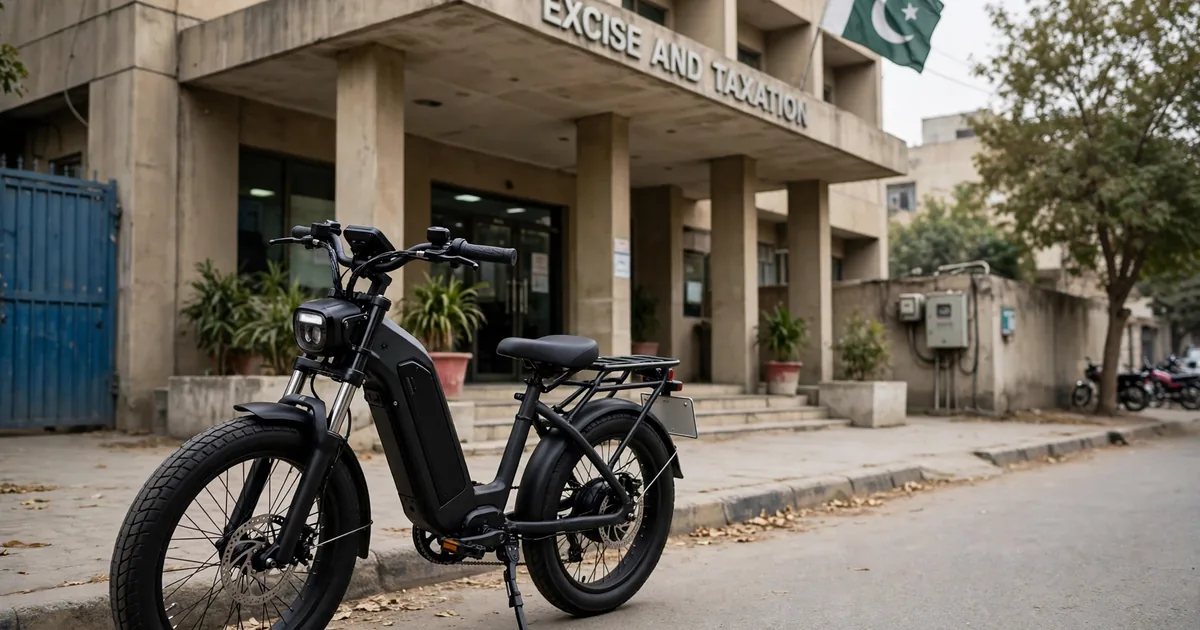
Completing your e bike registration Pakistan process correctly is what turns a showroom purchase into a bike you can ride anywhere without fear of a checkpoint. Registration gives your e-bike its legal identity — a registration number, a record in the excise department database, and documents that prove the bike is yours. Whether you bought your e-bike yourself or received it through a government scheme, the registration path runs through your provincial Excise and Taxation department, and this guide walks you through every step.
Please note: ebikescheme.online is an independent informational website, not a government website. Fees, forms and office procedures are set by each province and change from time to time — treat the figures below as examples and confirm the current requirements with your excise department.
Why Registration Matters More Than Riders Think
An unregistered motorcycle-class e-bike can be stopped and impounded by traffic police, cannot be properly insured, and becomes very difficult to sell or transfer later. Registration also protects you: if the bike is stolen, the excise record and engine/chassis numbers are what the police use to trace it back to you. For financed and scheme bikes there is an extra reason — the financing bank or scheme authority keeps an interest in the bike until installments are complete, and that arrangement is recorded through the registration documents.
In most provinces you are expected to register a new bike promptly after purchase. Dealers of petrol bikes often handle this for buyers, and many e-bike sellers now offer the same service for a fee; but even when the dealer applies on your behalf, you should understand the process so you can check that it was done correctly and in your name.
E Bike Registration Pakistan: Documents You Need First
Prepare clear copies and the originals of the following before you visit the excise office or start an online application:
- Your CNIC — the bike is registered to the CNIC holder, whose name must match the sale documents.
- Sales invoice / delivery letter from the dealer or scheme authority showing the bike’s price, engine or motor number and chassis number.
- Manufacturer or importer documents supplied with a new bike (the dealer normally provides these in the file).
- Proof of address if your province asks for it, such as a utility bill.
- For financed or scheme bikes: the bank or scheme paperwork given at delivery, which may note the financing arrangement.
- Application form of your provincial excise department, available at the office or its website.
If you are still at the application stage of a scheme, keep your documents in the same order the scheme asked for — the list on the Apply page overview will help you keep one clean document file for both processes.
The Registration Process, Step by Step
- Verify the bike’s numbers: before paying or accepting delivery, match the motor/engine number and chassis number on the bike’s plates with the numbers printed on the invoice. A single wrong digit creates weeks of correction work.
- Submit the file: take the documents to the excise office of your district, or apply through your province’s online vehicle registration service where offered. Punjab applicants can start from the Punjab Excise & Taxation website for current forms and office information.
- Pay the prescribed fees: registration fee, number plate charges and any applicable taxes are paid through the official challan or e-payment channel of your province. Keep every receipt.
- Physical verification (where required): some offices inspect the bike or its number rubbings before approving the record.
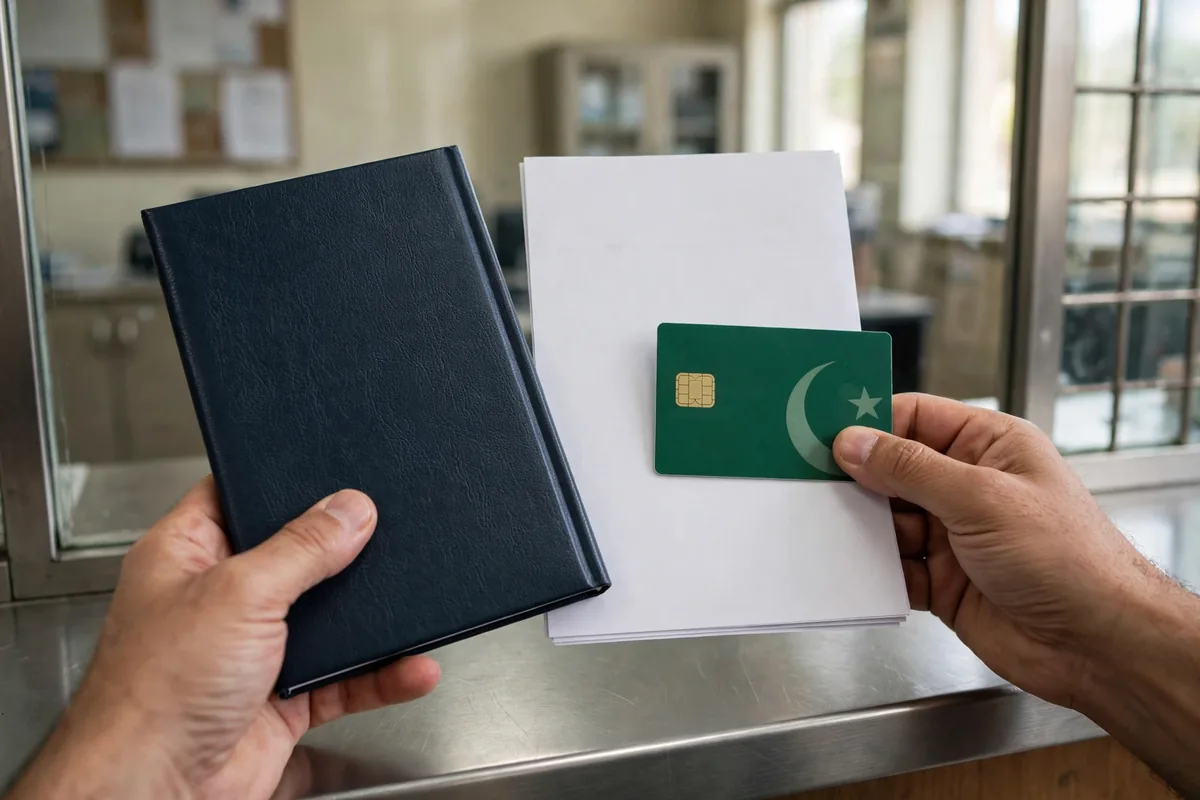
- Receive your registration number and documents: you will be issued a registration book or smart card and official number plates. Delivery timelines vary by province — ask for the expected date and the helpline before leaving.
- Fit the official plates exactly as issued; fancy or altered plates attract fines.
What Registration Costs: Example Figures Only
Provinces revise their schedules, and electric vehicles have received fee relief in some budgets, so never rely on a figure a dealer quotes from memory. The table shows the cost heads you should ask about, with purely illustrative example ranges:
| Cost item | What it covers | Example range (confirm current) |
|---|---|---|
| Registration fee | Creating the excise record | Often a few hundred to a few thousand rupees |
| Number plates | Official front and rear plates | Charged per pair by the province |
| Smart card / book | Registration document | May be included or charged separately |
| Dealer service fee (optional) | Dealer handling the process for you | Negotiate and get it in writing |
| Transfer fee (used bikes) | Changing owner name later | Due at the time of transfer |
Scheme Bikes: Who Registers Them?
For bikes delivered under schemes such as the CM Punjab E Bike Scheme, registration is usually arranged as part of the delivery process in coordination with the financing bank, because the bank’s interest must be recorded until your installments finish. Even so, check three things at delivery: that the name on the registration is yours (or as the scheme terms state), that the motor and chassis numbers match your delivery documents, and that you receive copies of everything. When your installments complete, ask the bank for its clearance or NOC and confirm with excise whether any record needs updating in your favour.
Buying a used e-bike instead?
Then registration becomes a transfer: both parties visit excise, biometric verification is completed where your province requires it, transfer fees are paid and a new registration document is issued in the buyer’s name. Never pay full price for a used e-bike whose seller cannot produce the original registration documents and a matching CNIC.
Common Registration Mistakes to Avoid
- Accepting delivery without matching motor/chassis numbers against the invoice.
- Letting a dealer register the bike to a slightly different name spelling than your CNIC.
- Riding for months on an “applied for” slip beyond its accepted period.
- Losing fee receipts — photograph every receipt and keep a phone copy.
- Forgetting to update excise after a financed bike’s loan is cleared.
FAQs
Can I ride my new e-bike before registration is complete?
Only within the short grace arrangements your province recognises, and with the sale documents in hand. Complete registration as early as possible; checkpoints are not obliged to accept a dealer slip indefinitely.
How long does e-bike registration take?
The application itself is usually a single visit or online session, but receiving the smart card and plates can take days to weeks depending on your province’s workload. Ask for the timeline and tracking method at submission.
Is registration different for electric bikes than petrol bikes?
The process and department are the same. Some provinces have offered reduced fees or special number series for electric vehicles at times; confirm what currently applies in yours.
My scheme bike is registered with the bank’s name noted. Is that normal?
Yes, for financed bikes the financier’s interest is commonly recorded until the loan is cleared. After your final installment, obtain the bank’s clearance and have the record updated.
What if there is a spelling mistake in my registration book?
Apply for correction at the excise office with your CNIC and original documents as soon as you notice it. Small errors become big problems at transfer or resale time.
Conclusion
E bike registration in Pakistan is a one-time process that protects every ride afterwards: match the numbers at delivery, file complete documents with your provincial excise department, pay only through official channels, and keep your registration book, receipts and — for financed bikes — the bank clearance safe. Do it promptly and carefully, and your e-bike is fully, legally yours.