
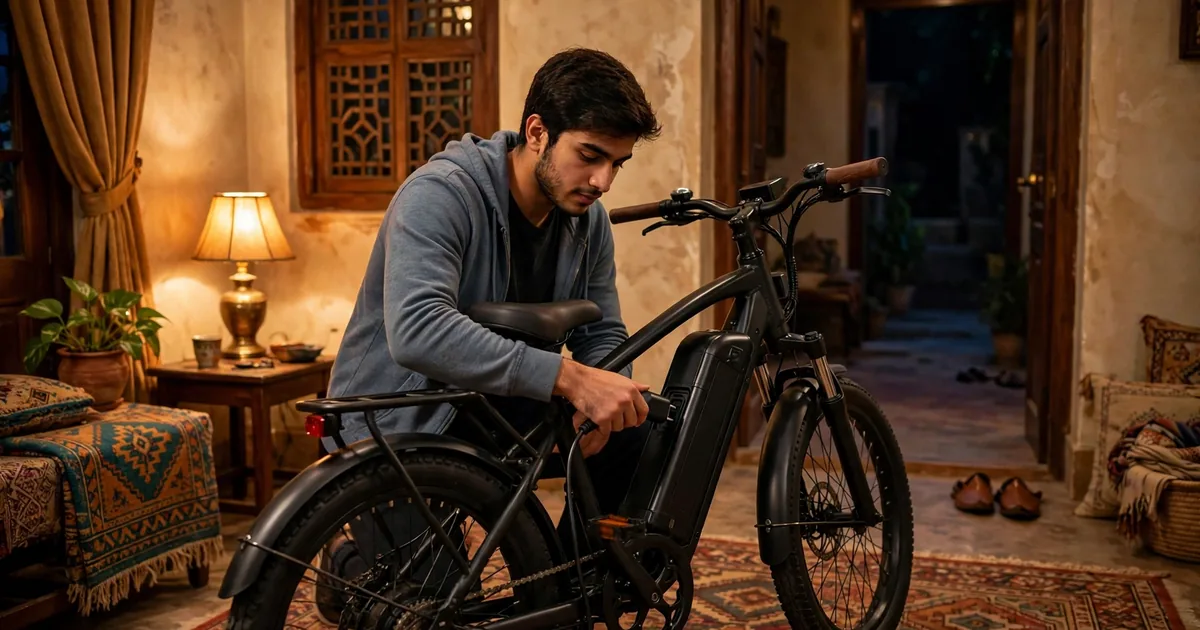
Good e bike battery care tips can be the difference between a battery that feels strong after three years and one that dies in its second summer. The battery is the most expensive part of any electric bike — often a third or more of the bike’s value — and in Pakistan it faces three hard enemies: extreme heat, careless charging habits, and long periods of sitting unused at the wrong charge level. None of these need money to fix; they need routine.
These ten tips are written for the batteries actually fitted to scheme and market e-bikes in Pakistan, mostly lithium-ion packs, with notes where lead-acid batteries behave differently.
Why E Bike Battery Care Tips Matter More in Pakistan
Battery chemistry hates heat, and a bike parked in June sun in Multan or Karachi lives a harder life than the same bike in a mild climate. Heat speeds up the internal ageing of lithium cells, so two riders with the same bike can see very different battery life purely from where they park and when they charge. Add load shedding, voltage fluctuation and dusty streets, and a little care discipline pays back more here than almost anywhere else.
Know your battery type first
Check your manual or battery label: lithium-ion packs are light, charge faster and prefer partial charges; lead-acid packs are heavier, cheaper, and must never be left sitting discharged. The tips below mark where the two types differ.
10 E Bike Battery Care Tips That Actually Work
- Charge little and often, not from empty to full. For lithium batteries, living mostly between roughly 20% and 80% charge is the gentlest pattern for daily use. Avoid running the bike until it fully dies, and do not leave it sitting at 100% for days.
- Never leave a lead-acid battery discharged. If your bike uses lead-acid, recharge it the same day after use; sitting empty quietly destroys it.
- Let the battery cool before charging. After a long ride, wait 20–30 minutes before plugging in. Charging a hot battery adds heat on top of heat.
- Park and charge in shade. A covered porch or indoor corner beats direct sun every time, and remove a removable battery indoors in extreme heat where the design allows.
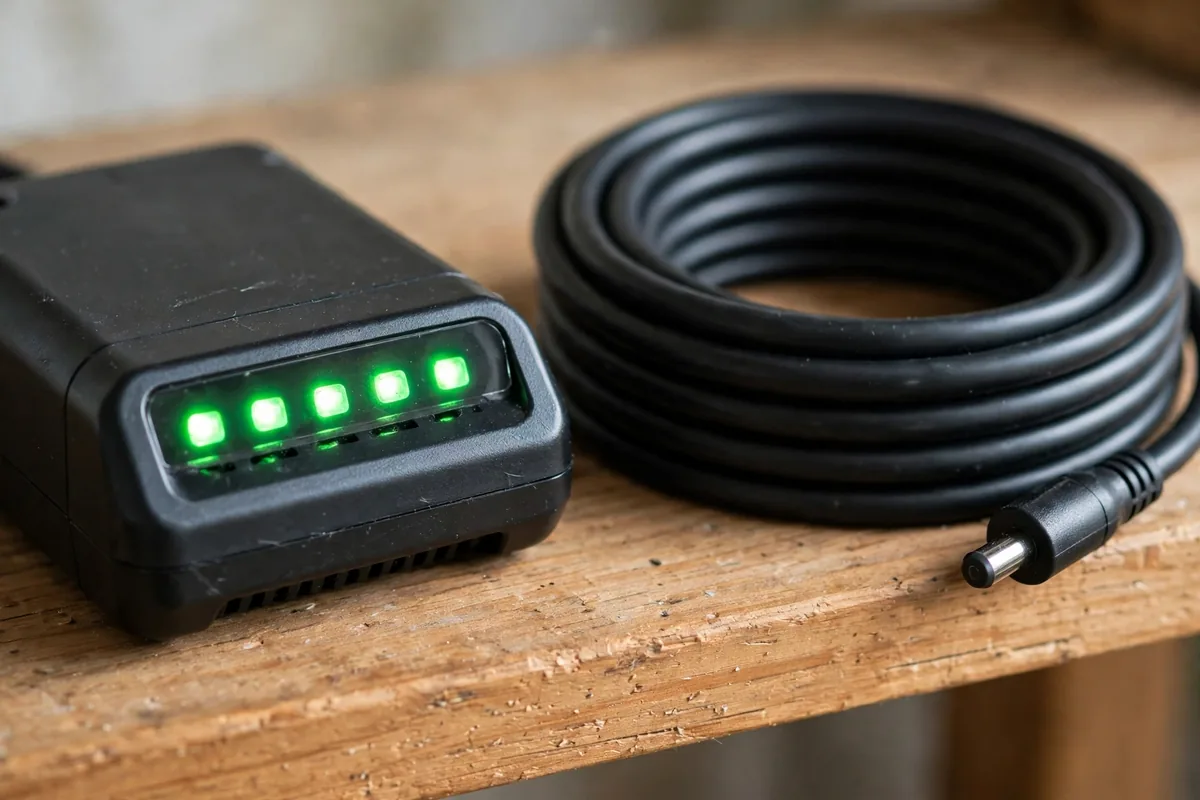
- Use only the original charger. A cheap substitute with the wrong voltage or current can overcharge cells, overheat the pack, and void your warranty — see the home-charging safety guide linked below before improvising anything.
- Unplug when done. Most chargers taper safely, but routinely leaving a full battery connected for days adds stress and wastes the charger’s life, besides the risk during voltage surges.
- Protect the battery from water and pressure washing. Wipe the bike with a damp cloth; never aim a pressure jet at the battery case, connectors or controller.
- Keep terminals clean and tight. Loose or dusty connectors cause voltage drops the rider feels as sudden power loss. A dry cloth and a firm fit is all it takes, checked monthly.
- Store it half-charged. If the bike will sit for weeks — semester break, travel — store a lithium battery around half charge in a cool, dry place, and top it up briefly every few weeks.
- Ride gently with a cold or low battery. Hard acceleration on a nearly empty or very cold pack strains the cells. Ease off, and plan the recharge before the last bar, not after it.
Daily, Weekly and Monthly Battery Routine
| When | Quick routine | Time needed |
|---|---|---|
| Daily | Plug in after cooling; park in shade; glance at charge level before leaving | 2 minutes |
| Weekly | Wipe connectors and battery case with a dry cloth; check cable for damage | 5 minutes |
| Monthly | Note your full-charge range; compare with last month to spot early decline | One normal ride |
| Seasonally | Before summer, plan shaded parking; before a long break, store at half charge | 10 minutes |
Your logged range is the earliest warning system you have. A pack that quietly loses range month after month is asking for attention long before it fails on the road. These habits also keep charging sessions predictable, and our guide to safe E Bike Scheme information and buying basics on the homepage hub will point you to the related charging and maintenance articles on this site.
Warning Signs Your Battery Needs Attention
- Range drops suddenly rather than gradually.
- The pack or charger becomes unusually hot, or the case looks swollen — stop using it and contact a qualified technician immediately; never open a lithium pack yourself.
- Charging finishes suspiciously fast, or the indicator jumps in big steps.
- The bike cuts power under load though the display shows charge remaining.
For warranty-covered scheme bikes, report these signs to the dealer or the channel named in your delivery papers first rather than paying an outside shop, and check general electric-vehicle guidance published by Pakistan’s energy authorities via aedb.org for background reading.
FAQs
Is it okay to charge my e-bike every night?
Yes, if you use it daily — charging little and often is healthy for lithium packs. Just unplug when it is full, let it cool after the ride first, and avoid leaving it connected for days when you are not riding.
Can I use a faster or different charger to save time?
Only if the bike’s manufacturer explicitly approves that charger model and rating. A mismatched charger is one of the fastest ways to damage a pack or create a fire risk.
How long should an e-bike battery last?
With decent care, a lithium pack typically serves several years of daily use before its range noticeably fades; lead-acid packs generally have a shorter service life. Heat, deep discharge and storage habits are the biggest variables.
Should I remove the battery when washing the bike?
If it is designed to be removable, yes — it makes washing safer and lets you store the pack indoors. If it is fixed, avoid direct water on the battery area and connectors entirely.
Is it bad to charge during load shedding hours with a generator or UPS?
Unstable supply can stress the charger. Where possible, charge on stable mains power, and avoid poor-quality backup sources with wild voltage swings.
Conclusion
Battery care is not technical — it is a handful of habits: charge between the extremes, keep the pack cool and shaded, use the right charger, and watch your range trend. Follow these e bike battery care tips and the most expensive part of your bike will repay you with years of reliable daily range.